Binge Eating: Listen to the Message
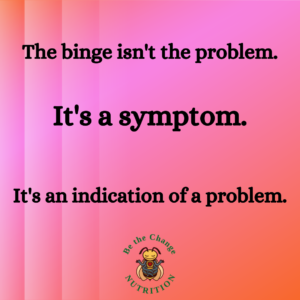
The way to resolve binge eating isn’t to focus on stopping the binge itself. It starts with getting curious about why the binge is happening in the first place.
Once you understand the function of the behavior, you can learn from it and begin to shift it.
Binge eating, like any symptom, carries information. It’s a signal that something in the body or emotional landscape needs attention.
Binges can be driven by physiology or by emotion.
The first step is asking: Which one is at play right now?
The solution comes down to mindfulness.
And yes, I know — mindfulness has become almost too trendy. But when it comes to emotional binges, learning to be present is essential.
The next time you feel a binge starting to build, try this:
Relax. Inhale slowly and fully. Hold for a few seconds. Exhale slowly and fully.
Repeat a few times.
This helps shift your nervous system into a calmer state and brings you back into the present moment. You’re creating a mindful pause — a small interruption in the automatic binge cycle.
Ask yourself what you are feeling. Identify it.
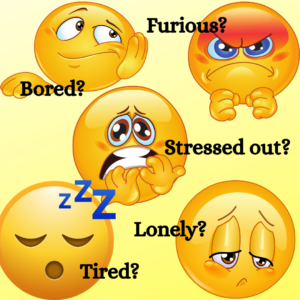
The first step in working with an emotional binge is naming what’s happening. What’s triggering your urge to binge?
Once you identify the feeling or situation underneath the urge, ask yourself what might help you feel better in that moment. What is it that you actually need?
This is where a toolbox of “things to do instead of binge” becomes incredibly useful. Having a go‑to list gives you options — real actions you can take to support yourself when that emotion shows up.
For example:
-
Work on a jigsaw puzzle when you’re bored.
-
Head to bed with a book when you’re tired and overstimulated.
-
Write in your journal to express and release anger or frustration from work.
The goal isn’t to distract forever — it’s to respond to the feeling with something that actually supports you.

Give yourself 15–20 minutes and then check in with how you’re feeling. Often, the urge to binge will have softened or disappeared. That’s because you tuned in to the emotion and gave it an outlet instead of pushing it down.
Over time, you’ll learn that you can sit with a feeling without needing to binge.
With practice, your brain begins to rewire — choosing supportive alternatives becomes more natural and less effortful.
The message behind an emotional binge is different for everyone:
-
If you’re feeling bored, you may need more engaging hobbies or projects.
-
If you’re feeling lonely, it may be a sign to reach out and connect with someone.
-
If you’re exhausted, your body is likely asking for rest or sleep.
The goal is simple: give yourself what you truly need.
Is it ever okay to eat for emotional comfort?
Yes — absolutely. There are moments when you’re not physically hungry but you genuinely want to eat to soothe yourself or give yourself a little lift. That’s a normal part of being human.
In these cases, own it. Make it an intentional, empowered choice. Acknowledge that you’re using food to feel better, and allow that without guilt or self‑criticism.
As long as emotional eating isn’t your primary coping mechanism, it can be a perfectly healthy, occasional tool. It’s very different from a binge, which involves feeling out of control, disconnected, and ashamed.
Mindful emotional eating is a choice. A binge is a reaction.

Here’s how this differs from a binge:
-
You’re mindful and present while eating, rather than zoning out.
-
You’re slowing down and actually enjoying the food instead of eating frantically.
-
You’re making a conscious choice — choosing the food you want and deciding how much will genuinely feel good.
-
And you feel no shame afterward.
One of the simplest ways to practice mindfulness while eating is to ask yourself:

This mindful check‑in brings you back into the moment. It also gives you the chance to notice whether the food still tastes good or whether the urge has naturally faded. Often, you’ll realize you’ve had what you needed and can stop without struggle. That’s the heart of mindfulness: paying attention.
Breaking free from binge eating is possible.
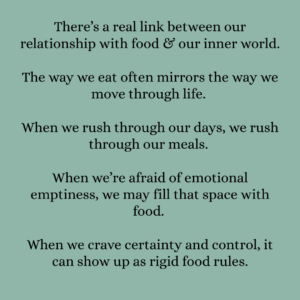
Instead of seeing the behavior as a failure, see it as a doorway to personal growth. It may be telling you to increase your food intake earlier in the day. It may be nudging you to reevaluate rigid food rules. Or it may be inviting you into deeper emotional work — learning to feel your feelings and respond to them in new, supportive ways.
There is a message there for you. 💖


Very nice, well put together, thoughtful.and helpful website. I’m glad I stumbled upon it.
Thank you so much! 😊