Weight Loss: It’s Not About a “Diet”
Weight loss. It’s the #1 response I hear when I ask:
“What are you hoping to get out of our visits together?”
It’s a fine goal and you’re not alone if you are frustrated with a weight issue and not a clue as to what to do about it.
Another question I like to ask is: “How many years have you been dieting?”
It’s not uncommon to hear people in their 30’s, 40’s, 50’s and 60’s realize they have been dieting more than half their lives. 🤯
Okay then…. It is time for a change! 😁
You probably know by now that “diets” don’t work, at least not long-term. Anyone can find one of the zillions of low-calorie meal plans and follow it for a brief period. Nobody can follow them for life.
The reason: We all have a built-in survival mechanism called an appetite. We need to eat for both nourishment and pleasure. Trying to starve yourself with too little food, eating things you don’t like or eating in response to a schedule or plan rather than your hunger signals and preferences tends to backfire. You learned this the hard way, right?! But now what? If diets aren’t the answer then what is?
The answer is simple and logical, yet different for everybody.
The bottom line is:
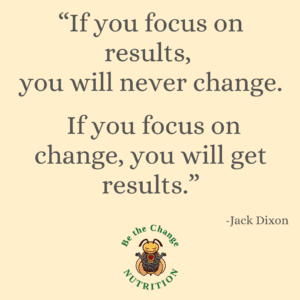
You need to change your specific behaviors and mindset that have gotten you where you are today.
This involves investigating your habits and then figuring out which changes you are willing to make to see results.
You also need to honestly ask yourself questions like:
- Why do I want to lose weight?
- What will change about my life when I do lose weight?
- What won’t change about my life when I lose weight?
- Is losing weight more important to me than my current lifestyle?
When some people really think about these questions, they realize that they aren’t ready to make changes and that is okay too.
Here is how you can get started on your weight loss journey:
#1: Pinpoint your problem. Get curious. Take a close look at the types of foods you eat, how much you eat, why you eat and when you eat. Examine how you eat too. Do you eat in a stressed-out state? Do you eat every time you feel lonely? Bored? Do you eat when you sit down to watch television regardless of whether you are even hungry or not? Are you telling yourself you aren’t allowed to eat certain foods that you love? This can be eye-opening! Really paying attention will uncover clues about eating behaviors that relate to your weight. Once you identify where things are out of balance you can devise a plan consisting of habit changes to implement.
#2: Start with one realistic change. You don’t have to do a complete diet overhaul. That is what many “weight loss diets” are and a big reason nobody can follow them for long. Instead, once you have identified your problem areas, pick out just one thing to change. It is crucial that your plan consist of a change that you are honestly ready and willing to put into action. I want you to feel excited about it, not dread it. A lot of time I find that people want certain results but don’t want to put forth the work to get them. There usually IS going to be some degree of struggle involved when you leave your comfort zone, so make sure that you’re good with whatever means you choose to get there. You’ve got to be consistent and patient with your change as well. Remind yourself of your WHY every single day. What are you doing this for? Keep that reason fresh in your head.
I’m no psychologist but I do find myself playing one at work as an RD! Weight problems are often surprisingly not so much about the food. The issue is usually deeper than merely a matter of lousy willpower. Excess weight can be seen as a symptom that something is out of balance in your life. The real question is why are you eating too much or choosing too many of the wrong foods and not enough nourishing food? Is there an underlying something in your life that needs to be changed? This could be anything: not getting enough sleep, being stuck in a job you hate, not getting out in nature or being too sedentary/not enough physical activity, etc. You may find that once you start dealing with whatever is not right in your life that your eating and weight issues work themselves out naturally.
Nutrition education certainly comes into play too! That’s why having a Registered Dietitian on your side to help guide you with ideas of what to eat, new strategies to try, encouragement and accountability can be a huge factor in your weight loss success. 💗

Leave a Reply
Want to join the discussion?Feel free to contribute!