Spring Clean Your Nutrition Beliefs
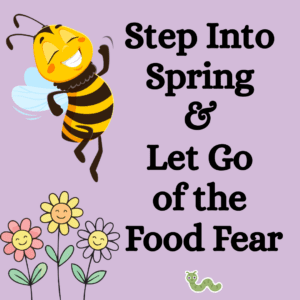
March is the season of in‑between. The light is returning, the air is almost warm and your brain is waking up from its winter nap with the energy of a houseplant that’s just been rotated toward the sun. It’s a natural moment for fresh starts—but not the punishing January kind. The gentler, wiser kind.
And while many people use spring to declutter closets or scrub baseboards, there’s another space that deserves a little clearing out: Your nutrition beliefs.
Because over the winter (and let’s be honest, over the last decade of the internet), most of us have collected a surprising amount of nutrition clutter—half‑truths, TikTok fears, rigid rules and outdated ideas that quietly shape how we eat and how we feel about eating.
This is the perfect time to sweep out what’s not serving you and make room for something more grounded, flexible and supportive.
🌞 Why Spring Is the Best Time to Rethink Food Rules
As daylight increases, your circadian rhythm shifts. Mood lifts. Motivation returns. Your brain becomes more receptive to change. This isn’t “willpower”—it’s biology.
Spring gives you:
- A natural sense of renewal
- More access to colorful, fresh foods
- A psychological “fresh start effect” that actually sticks better than January
- A chance to reset without the pressure of resolutions
So instead of reorganizing your pantry (again), let’s reorganize the beliefs that shape how you nourish yourself.
🌾 Seed Oils: Exhibit A in Nutrition Clutter
Seed oils have become the internet’s favorite villain—canola, soybean, sunflower, safflower, grapeseed, corn. You’ve seen the claims: “toxic,” “inflammatory,” “poison.”
But the research is far more nuanced.
What we do know:
- Omega‑6 fats aren’t inherently inflammatory; the issue is the ratio of omega‑6 to omega‑3 in the overall diet.
- Replacing saturated fats with polyunsaturated fats (like those in seed oils) is still supported by major health organizations.
- Fear‑based messaging spreads faster than nuance, especially in winter when people feel depleted and want something to “fix.”
A more grounded spring approach:
- Add omega‑3s (flax, chia, walnuts, salmon).
- Use a variety of fats (olive oil, avocado oil, butter, sesame oil).
- Cook more at home when you can.
- Stop letting your salad dressing feel like a moral dilemma.
Seed oils aren’t the only belief worth sweeping out—but they’re a great place to start.
🌸 Nutrition Beliefs Worth Sweeping Out This Spring
1. “Carbs are the enemy.”
Spring reframe:
Carbohydrates are your brain’s primary fuel source and play a meaningful role in serotonin production, digestion and overall energy regulation. As your body transitions out of winter mode, steady carbohydrate intake actually supports a more stable mood and metabolism. Plus, carbs are where you find FIBER! Carbs themselves aren’t the problem; but timing, pairing, quality and portions matter. Balanced carbs = steady energy.
2. “I need to earn or burn my food.”
Spring reframe:
This belief stems from learned associations between eating and self‑control, not from human physiology. The body doesn’t interpret food as something that must be offset or “worked off”—it uses incoming energy continuously to support metabolism, cognition, and nervous‑system stability. Most of the calories you consume in a day go towards basic survival functions, not workouts. Your body is “burning” energy right now reading this. You could lie in bed all day and still need nourishment. Movement is great for health. But it’s not a payment method.
3. “Healthy eating has to be perfect.”
Spring reframe:
Perfectionism is one of the biggest barriers to sustainable nutrition. It creates rigidity, guilt and all‑or‑nothing cycles that make eating harder than it needs to be. Aim for small, consistent improvements—incremental progress is far more effective than perfection. Flexibility supports sustainability in a way rigid standards rarely do. You actually function better when you’re nourished consistently, not perfectly. There is no such thing as perfect eating anyway.
4. “Processed = bad.”
Spring reframe:
Processing exists on a spectrum. Some processing improves safety, digestibility or nutrient availability. The goal isn’t to eliminate all processed foods—it’s to understand their role. Choose foods based on function, satisfaction and context. Frozen vegetables are still vegetables. A rotisserie chicken is still high‑quality protein and a practical support for busy days. And yes, a cookie can even be part of a balanced meal.
5. “Clean eating is the gold standard.”
Spring reframe:
“Clean” is vague, moralizing and often rooted in anxiety rather than evidence. It tends to contract your choices rather than help you build a more flexible, trusting approach to food. Shift from “clean” to aligned with my needs. From “good vs. bad” to context matters. Clean eating sounds simple until you try to define it. Is bread clean? What about protein bars? Frozen veggies? Canned beans? Every “clean eating” list contradicts the next one. If the gold standard changes depending on who you ask, it’s not a standard — it’s a trend.
6.“Cravings mean I’m failing.”
Spring reframe:
Cravings are a form of communication—your body’s way of signaling needs, shifts or imbalances. They’re not a personal flaw. People with the most peaceful, stable eating patterns still have cravings. They just don’t panic about them. They respond, adjust and move on. Cravings aren’t a red flag — they’re a normal part of being alive.
7. “More restriction = more weight loss.”
Spring reframe:
Restriction increases stress, slows metabolism, disrupts appetite cues, ramps up cravings and often leads to rebound eating. It rarely produces the long‑term outcomes people hope for. Balanced eating routines create stability, resilience and long‑term health. Add before you subtract. Spring naturally brings more color, fiber, and freshness—let that expansion guide you.
😵💫 How to Evaluate Nutrition Claims Without Spiraling
A few grounding questions help cut through the noise:
- Does this claim explain how something works, or does it rely on fear‑based language?
- Who benefits from me believing this?
- Is this coming from a credentialed expert or a viral soundbite?
- Does this advice support a fuller, more flexible relationship with food or does it narrow my options?
If it makes your world feel smaller, it’s likely just mental clutter—not wisdom you need to keep.
🌈 A Fresh Start for Your Food Mindset
Spring is a good time to clear out the fear‑mongering that’s crept into your nutrition beliefs—the rules that make eating feel like a threat instead of a normal human need. When you sweep away the noise, what’s left is a more practical, curious approach to food: noticing what supports your energy and mood, what feels sustainable and what actually works for your life. That’s the kind of “spring cleaning” that helps you make food choices from clarity, not fear.


Leave a Reply
Want to join the discussion?Feel free to contribute!