Food and Mood
News headlines pop up constantly about the increasing levels of depression and anxiety– Understandably so, and while the reasons are multi-factorial, the COVID situation has pushed many people over the line.
While there are many things we can’t control, thankfully what we eat IS something we do have our say about! When you’re struggling with uncomfortable feelings, food may not be something high on your priority list.
But what if it was? Could it help you feel better?
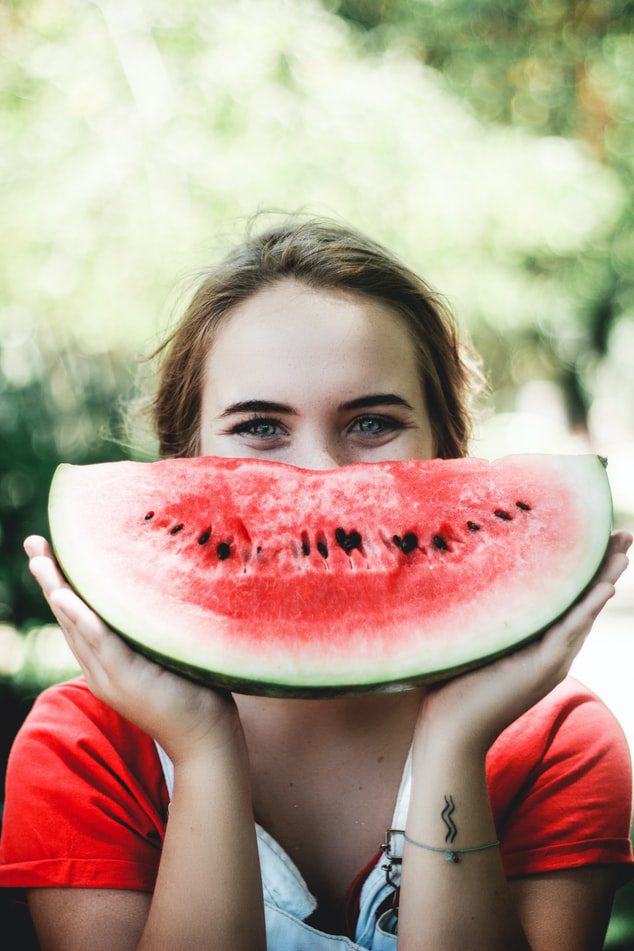
In case you weren’t aware:
Diet affects mood and mood affects diet.
There is a direct connection between your digestive system and your brain. Many neurotransmitters and hormones required for healthy brain function are produced in the digestive tract. Meaning– what you eat really does affect how your brain functions! Eating nutritious foods helps support production of these chemicals, which in turn helps regulate your mood.
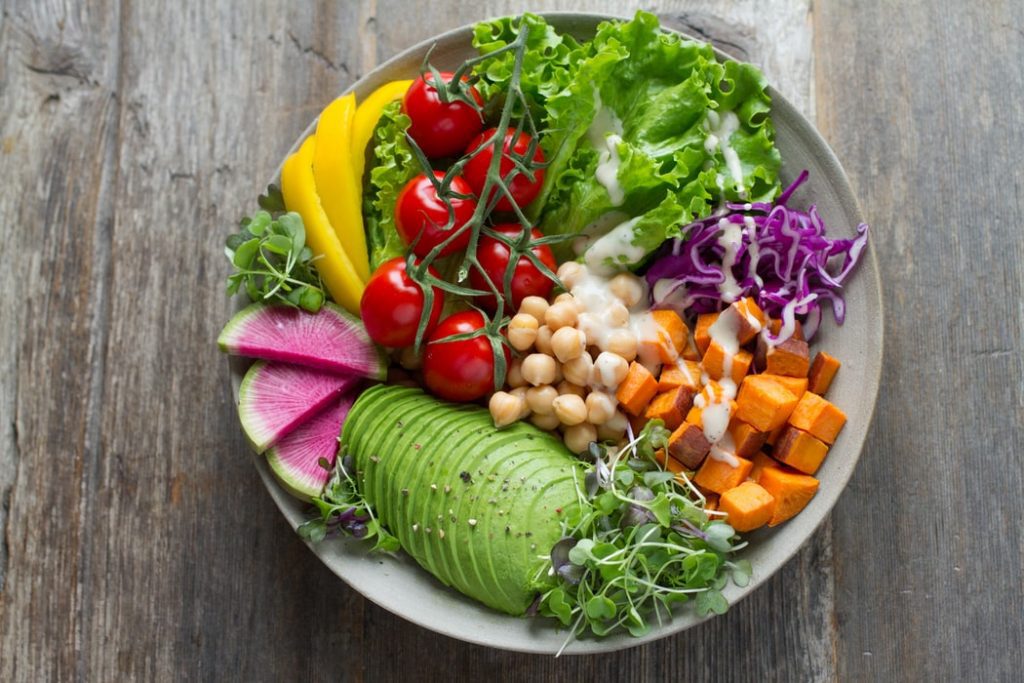
Good Mood Food! 😊
Feelings of depression and anxiety can be related to various aspects of your eating habits.
The following are some of the areas I look at when assessing someone’s diet.
Any of these being out of whack can affect how you feel mentally:
- Macronutrient balance (proteins, carbs, fats)
- Food quality (vitamins, minerals, antioxidants, etc)
- Eating structure/rhythm (when you eat)
- Sugar, alcohol, caffeine and refined carbohydrate intake
- Unwanted eating behaviors like overeating/binging
Here are some specific examples of how your diet can affect how you feel:
- Waiting too long to eat can ➡️ irritability and anxiety (“hanger”) due to low blood sugars.
- Low intake of essential fatty acids can ➡️ depression from hormone imbalances.
- Excessive consumption of refined carbohydrates and fried foods can ➡️ depression and many other health issues related to inflammation.
- Inadequate levels of iron can ➡️ low energy, depression and anxiety.
- Binging and overeating can ➡️ feelings of depression and anxiety.
- Stimulants like coffee, tea and chocolate can ➡️ anxiety in sensitive individuals or those who overconsume these.
- These same stimulants can ➡️ improved mood in many people too!
And… how you feel can contribute to how you eat as well!
Depression and anxiety can cause you to skip meals, overeat highly processed and fried foods, binge or consume excessive amounts of stimulants like coffee or chocolate. As you can see it can become a vicious cycle when your eating habits make you feel awful and feeling awful can make it hard to stick to healthy eating habits.
All that being said…
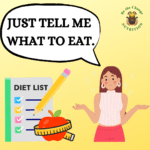
So, what is she trying to say here you ask?
The objective is not to eat the most perfect, healthy diet possible.
It’s about eating plenty of health-promoting foods but also enjoying the freedom to choose whatever you want to eat.
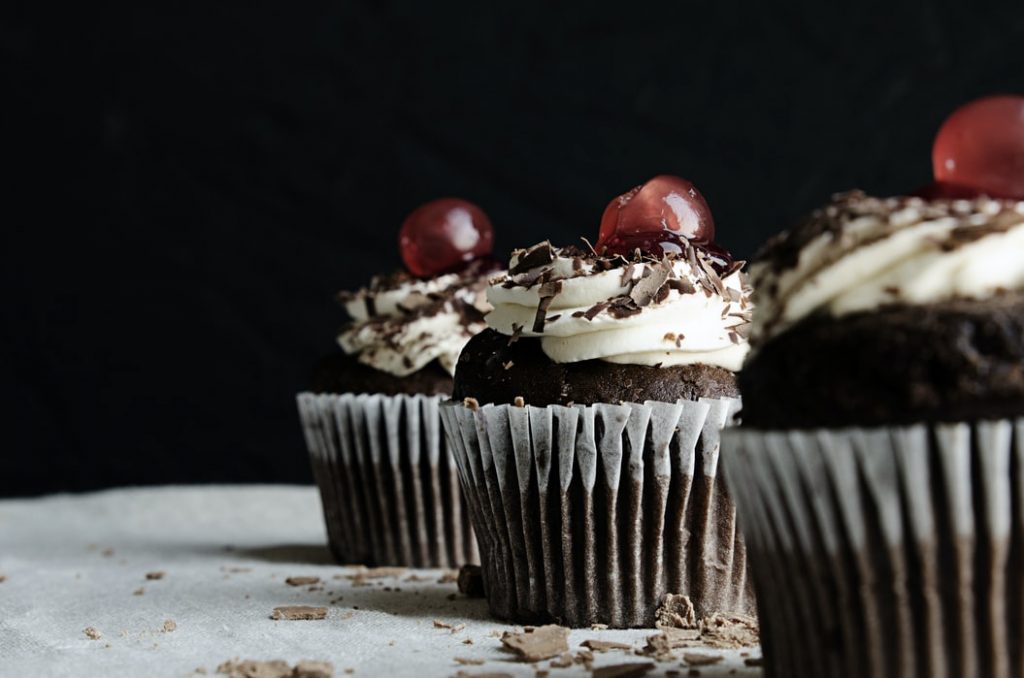
It’s about allowing a cupcake when you truly want to enjoy one and it’s about deciding to not have a cupcake because you know you’ll feel better with an apple and almond butter and perhaps you will eat a cupcake tomorrow instead.
It’s about making the time to plan out your meals and grocery shop because you know you will make better choices when you do this.
It’s about checking in with your body every few hours to see if you need to eat something because if you don’t you know you will end up binging when you get home later.
It’s about knowing when a certain amount of coffee goes from making you feel good to making you feel anxious and respecting this so you feel more balanced.
These are all parts of self-care.
When you’re dealing with depression and anxiety, taking actions to care for yourself is something you need more than ever in order to heal.
It is crucial to know what is and isn’t working for you when it comes to eating.
You’ve got to learn how your body feels with certain foods, without certain foods, when it needs food, when it needs something else, etc.
Knowing your body and how food affects you is key.
You truly are your own best nutritionist.
You may not know it yet and you may need some guidance to get to that place where you know yourself well enough and become confident enough to make food choices you feel good about but you will get there.
I’m not here to say that nutrition is the answer to all your mood problems because it’s not.
Obviously it is one piece of the mental wellness puzzle and other factors matter such as:
- sleep
- rest and relaxation
- physical activity
- mental stimulation
- social relationships
- laughter and joy
- fresh air and sunlight
- having a sense of purpose and meaning in your life
- and love, love, love
I’m here to help you change the food part and encourage you and remind you to work on all the other parts too.
You can and you will feel better!!!

Leave a Reply
Want to join the discussion?Feel free to contribute!